
THE ASCENSION PATH — ENERGY MASTERY BASICS
Your smartwatch says you only got 45 minutes of deep sleep. You wake up wondering whether your body recovered at all. But how much deep sleep do you actually need—and should you trust that number?
Deep sleep is an important part of a healthy night, but there is no single number that guarantees optimal recovery for every adult. Your age, sleep history, individual physiology and the accuracy of your tracking device all influence how the result should be interpreted.
The most useful approach is to understand what deep sleep does, protect sufficient overall sleep and avoid turning one wearable score into a medical conclusion.
PREFER TO LISTEN?
Listen to the Full Sleep as Power Masterclass
Explore sleep architecture, light management, caffeine timing and the practical seven-day sleep reset from Energy Mastery Basics.
What Is Deep Sleep?
Deep sleep is stage N3 of non-REM sleep, also known as slow-wave sleep. It is identified by characteristic slow brain-wave activity during a clinical sleep study.
During this stage, you are less responsive to your surroundings and may be difficult to awaken. Deep sleep is associated with important restorative processes, including aspects of physical recovery, immune function and memory consolidation. Growth hormone secretion is also closely linked with slow-wave sleep.
Deep sleep tends to be more prominent during the earlier part of the night, while REM periods often become longer toward morning. Both are essential components of normal sleep architecture.
How Much Deep Sleep Is Normal for Adults?
In healthy younger adults, deep sleep is often described as accounting for roughly 15–25% of total sleep time. For an eight-hour night, that corresponds to approximately 72–120 minutes.
However, this is a broad descriptive range, not a required target. Deep-sleep duration varies considerably, and the amount generally declines with age. Some healthy older adults spend substantially less time in N3 sleep than younger adults.
A single night below a commonly quoted range does not establish a problem. There is no universally accepted minimum number of deep-sleep minutes that every person must achieve.
Key distinction: A population average is not an individual prescription. Your total sleep, daytime functioning and any symptoms matter more than whether one night matches a percentage chart.
Why Deep Sleep Matters for Recovery
Slow-wave sleep contributes to the body's restorative processes and is associated with memory consolidation, metabolic regulation and normal immune functioning. It is also linked with the release of growth hormone, which participates in tissue maintenance and repair.
These functions do not mean that deep sleep alone determines muscle growth, testosterone levels or next-day performance. Recovery depends on the full night of sleep, nutrition, training load, health and other factors.
REM and lighter non-REM stages also perform important functions. A healthy night is not simply a competition to maximize N3.
Why Your Deep-Sleep Amount May Change
Age
Slow-wave sleep commonly decreases as people get older. Comparing your sleep-stage percentage with that of someone decades younger may therefore be misleading.
Previous Sleep Loss
After insufficient sleep, the body may increase its drive for slow-wave sleep. This is one reason sleep-stage distribution can change from night to night.
Sleep Timing and Continuity
Irregular schedules, repeated awakenings and insufficient sleep opportunity can alter normal sleep architecture. Deep sleep is usually concentrated earlier in the night, but the entire night remains important.
Alcohol, Medications and Health Conditions
Alcohol, certain medications, sleep disorders and other health factors can affect sleep stages. Their effects vary, and medication changes should always be discussed with the prescribing clinician.
Do not ask only, “How much deep sleep did I get?” Ask, “Am I allowing enough sleep, sleeping consistently and functioning well during the day?”
Can Your Smartwatch Accurately Measure Deep Sleep?
Consumer wearables estimate sleep stages using signals such as movement, heart rate and other sensor measurements. They do not directly measure brain waves in the same way as clinical polysomnography.
Research comparing wearables with sleep studies shows that accuracy varies by device and by sleep stage. A watch may underestimate or overestimate deep sleep, sometimes by a substantial amount.
For example, a reported 45 minutes of deep sleep does not necessarily mean your brain spent exactly 45 minutes in N3. The number is an estimate generated by an algorithm.
Use your device to observe broad patterns rather than to diagnose a sleep disorder or decide whether you need treatment. If you feel well and sleep adequately, an isolated low score is not a reason to panic.
How to Support Healthy Deep Sleep Naturally
You cannot force your brain into N3 on command, but you can support the conditions that allow normal sleep architecture to occur.
1. Protect Enough Sleep Time
Most adults need at least seven hours of sleep, and many need seven to nine. Avoid sacrificing total sleep to fit an exact 90-minute-cycle calculation or an early alarm.
2. Keep Your Schedule Consistent
Regular sleep and wake times help reinforce your circadian rhythm. If you work shifts, aim for the most consistent sleep opportunity your schedule allows.
3. Get Appropriate Daytime Light
Natural light during your waking day helps support circadian timing. Reduce bright light before your main sleep period, especially when preparing for bed.
4. Review Caffeine and Alcohol
Caffeine can interfere with sleep for hours after consumption. Consider avoiding it for at least six to eight hours before bedtime, or longer if you are sensitive. Alcohol may make you sleepy initially but can disrupt sleep later.
5. Create a Restorative Bedroom
Keep the room dark, quiet and comfortably cool. Reduce avoidable interruptions and establish a predictable wind-down routine.
START THE ASCENSION PATH — FREE
Read the Philosophy. Experience the Practice.
Get Volumes 1 & 2 of The Power Within plus the first two complete audio volumes of The Ascension Path — free.
GET THE FREE STARTER LIBRARY →Discipline → Energy → Focus → Purpose → Sexual Transmutation
When Low Deep Sleep May Need Investigation
A low wearable score by itself is not a diagnosis. However, persistent fatigue, excessive daytime sleepiness, loud snoring, gasping during sleep or witnessed breathing pauses deserve medical attention.
Sleep apnea, insomnia and other conditions can disrupt sleep and affect daytime functioning. A healthcare professional may recommend a clinical sleep assessment when appropriate.
If you consistently obtain adequate sleep but remain exhausted, do not assume that you simply need to increase your deep-sleep percentage. Investigate the underlying cause.
Focus on the Whole Night
Deep sleep matters, but it is one part of a larger recovery system. The best starting point is sufficient sleep duration, consistent timing, a supportive environment and attention to how you function during the day.
Track your habits and energy over time. Use wearable data as supporting information, not as the final authority on your health.
Recovery is not a number to chase. It is a process to protect.
Build the conditions for a complete night of sleep. Let your body manage the stages—and seek help when persistent symptoms suggest something more is happening.
START THE ASCENSION PATH — FREE
Read the Philosophy. Experience the Practice.
Get Volumes 1 & 2 of The Power Within plus the first two complete audio volumes of The Ascension Path — free.
GET THE FREE STARTER LIBRARY →Discipline → Energy → Focus → Purpose → Sexual Transmutation
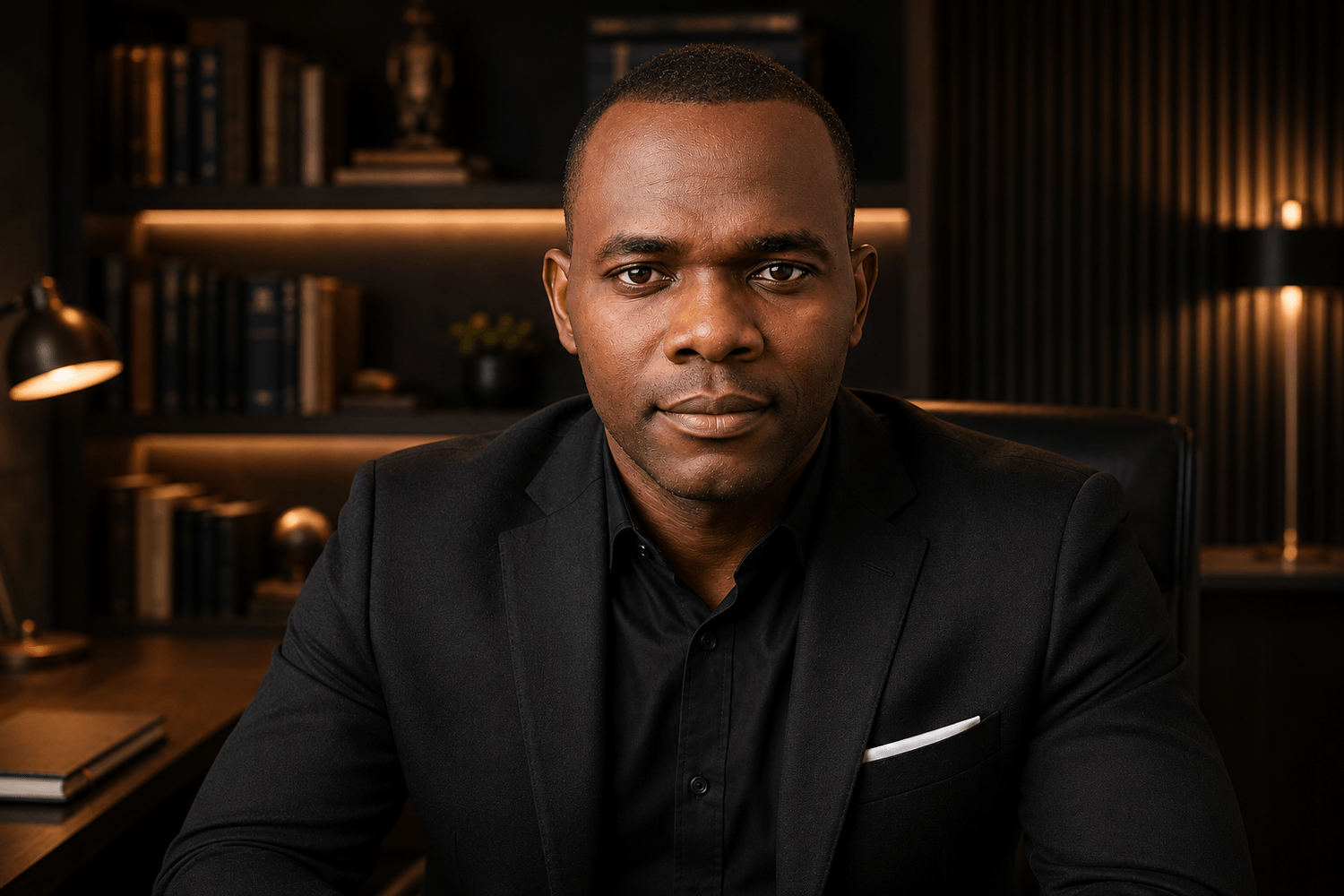
Nelson Ani
Founder, The Ascension Path | Power Within Academy. Nelson Ani explores sexual transmutation, self-mastery, discipline, attention, energy cultivation and the deliberate direction of human drive.