
THE ASCENSION PATH — ENERGY MASTERY BASICS
Discipline helps you decide what matters and follow through. But when you consistently neglect sleep, the same decisions can become harder to execute. Recovery is not the opposite of discipline—it is one of the conditions that supports it.
Many people respond to low energy by demanding more willpower from themselves. Sometimes the better response is to examine whether their sleep, schedule and recovery habits are supporting the demands they are placing on their minds and bodies.
This is where Discipline Foundation and Energy Mastery Basics connect: structure helps you show up, while recovery supports the capacity you bring to the work.
PREFER TO LISTEN?
Listen to the Full Sleep as Power Masterclass
Explore sleep architecture, light management, caffeine timing and the practical seven-day sleep reset from Energy Mastery Basics.
Why Sleep Affects Your Ability to Follow Through
Sleep supports attention, working memory, emotional regulation and other cognitive functions involved in everyday decision-making. When sleep is insufficient, these abilities can become less reliable.
That does not mean sleep deprivation removes your ability to make choices or guarantees that you will abandon your goals. It means the same task may require more effort, and your capacity to manage competing demands may be reduced.
For someone building a new habit, this matters. A routine that is manageable when rested may become much harder after several short nights.
Sleep, Attention and Executive Function
Executive functions include processes such as planning, maintaining attention, inhibiting inappropriate responses and adjusting behavior when circumstances change.
Sleep restriction can impair aspects of these functions, although the effects vary between individuals and tasks. Reduced alertness may also make it harder to sustain concentration during demanding work.
Rather than treating every lapse in focus as a character problem, consider whether your recovery is adequate for the demands of your day.
The distinction: Discipline is the system you use to direct behavior. Sleep is one of the biological foundations that helps that system function reliably.
Why Tiredness Can Make Temptation Harder to Manage
When you are tired, immediate rewards may feel more appealing and effortful tasks may feel more demanding. Sleep loss can influence reward processing, emotional responses and decision-making.
However, it is too simplistic to claim that poor sleep automatically destroys self-control or causes every unhealthy choice. Behavior is influenced by habits, environment, stress, motivation and many other factors.
The practical lesson is to reduce unnecessary friction when you are tired. Prepare your environment, simplify decisions and avoid relying entirely on moment-to-moment willpower.
Discipline Should Protect Sleep, Not Compete With It
A common mistake is to treat sleep as the first thing to sacrifice when life becomes busy. More work, more training and more screen time are added, while recovery is pushed later.
Occasional short nights may be unavoidable. But consistently reducing sleep to demonstrate commitment can undermine the attention, mood and performance needed to sustain that commitment.
Most adults need at least seven hours of sleep, and many need seven to nine. Protecting sufficient sleep opportunity is therefore a practical part of long-term self-management.
Discipline is not proving that you can ignore your need for recovery. It is building a life in which recovery has a protected place.
Use the Five Pillars to Build Better Sleep Habits
Clarity — Define the Sleep Standard
Choose a realistic sleep opportunity based on your wake time and individual needs. Make the standard specific enough to guide your evening decisions.
Commitment — Decide Before the Evening Begins
Set a reasonable time to begin winding down. Avoid renegotiating bedtime every night based on whether you feel like continuing another activity.
Consistency — Repeat the Basics
Keep your sleep and wake times reasonably regular. Focus on repeated habits rather than expecting every night to be perfect.
Conditioning — Make the Environment Support You
Dim unnecessary lights, prepare your bedroom and reduce access to distractions that routinely delay sleep. Make the desired behavior easier to perform.
Calibration — Review and Adjust
Observe your sleep duration, energy and daily functioning. If the schedule is unrealistic, adjust it rather than repeatedly failing against a standard that does not fit your life.
Build a Minimum Evening Standard
On demanding days, an elaborate routine may be difficult to maintain. Create a minimum version that takes only a few minutes.
For example: set tomorrow's alarm, prepare essential items, dim the lights and put your phone away from the bed. Then allow yourself sufficient time to sleep.
The minimum standard is not a replacement for adequate sleep. It is a way to preserve the transition into rest when your day has been difficult.
START THE ASCENSION PATH — FREE
Read the Philosophy. Experience the Practice.
Get Volumes 1 & 2 of The Power Within plus the first two complete audio volumes of The Ascension Path — free.
GET THE FREE STARTER LIBRARY →Discipline → Energy → Focus → Purpose → Sexual Transmutation
What to Do After a Poor Night
One disrupted night does not mean your discipline has failed. Assess your energy and adjust the day's demands where possible.
Prioritize essential tasks, use breaks strategically and consider reducing the intensity of nonessential activities if you are significantly fatigued. Avoid dangerous work or driving when excessively sleepy.
Return to your normal sleep opportunity when reasonable, while allowing adequate recovery. Do not punish yourself with extreme restrictions or attempt to compensate through excessive caffeine.
A Seven-Day Recovery and Discipline Audit
For one week, record your sleep duration, bedtime, wake time and morning energy. Alongside these, track one important daily habit, such as exercise, focused work or a morning routine.
Look for patterns between sleep and your ability to follow through. Are difficult days more common after short nights? Does a consistent bedtime make your morning routine easier?
Do not assume that correlation proves sleep caused every change. Use the observations to identify practical adjustments and continue tracking if needed.
When Fatigue Needs More Than a Better Routine
Persistent fatigue, excessive daytime sleepiness or ongoing difficulty sleeping may have medical causes. Sleep apnea, insomnia, medications and other conditions can interfere with recovery.
If you remain exhausted despite adequate sleep opportunity, or experience loud snoring, gasping or witnessed breathing pauses, consult a healthcare professional.
Chronic insomnia may benefit from cognitive behavioral therapy for insomnia (CBT-I). A discipline framework should complement appropriate healthcare, not replace it.
Build Capacity, Not Just Compliance
The purpose of self-discipline is not merely to complete tasks regardless of the cost. It is to create a sustainable system that supports the life you are trying to build.
Sleep is part of that system. Protecting recovery can support more reliable attention, better daily functioning and the ability to return to your commitments over time.
Discipline gets you to show up. Energy determines what you can do when you arrive.
Build the structure that protects your recovery, and the recovery that supports your structure.
START THE ASCENSION PATH — FREE
Read the Philosophy. Experience the Practice.
Get Volumes 1 & 2 of The Power Within plus the first two complete audio volumes of The Ascension Path — free.
GET THE FREE STARTER LIBRARY →Discipline → Energy → Focus → Purpose → Sexual Transmutation
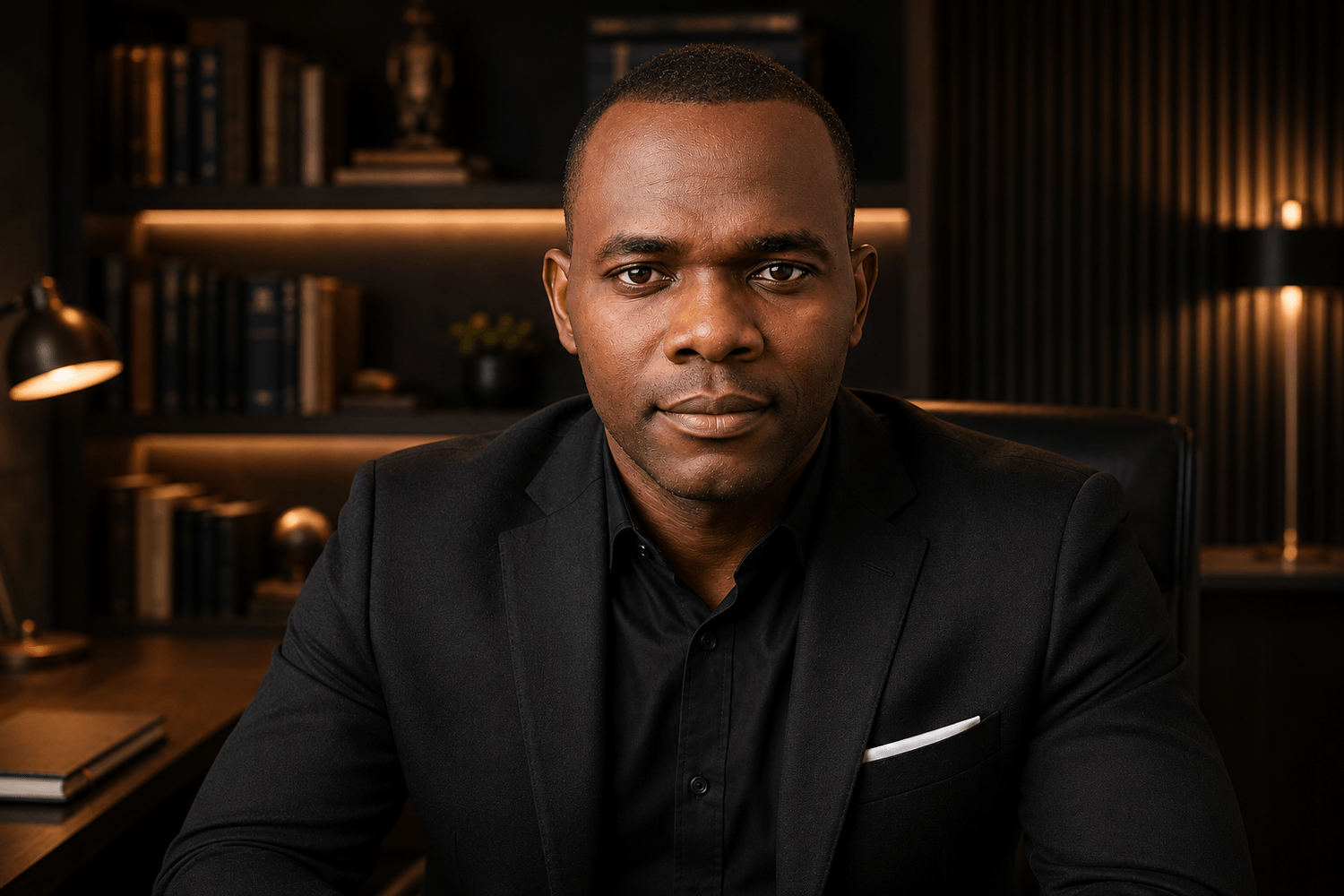
Nelson Ani
Founder, The Ascension Path | Power Within Academy. Nelson Ani explores sexual transmutation, self-mastery, discipline, attention, energy cultivation and the deliberate direction of human drive.