
THE ASCENSION PATH — ENERGY MASTERY BASICS
You can train with discipline, eat carefully and follow a structured program—but if you consistently cut sleep short, you may be limiting your ability to recover and perform.
Sleep is a central part of the recovery process. It supports normal physiological functions involved in tissue repair, metabolism, immune health, learning and physical performance.
Improving sleep quality does not require chasing a perfect wearable score. It begins with protecting sufficient sleep and creating habits that support a complete, restorative night.
PREFER TO LISTEN?
Listen to the Full Sleep as Power Masterclass
Explore sleep architecture, light management, caffeine timing and the practical seven-day sleep reset from Energy Mastery Basics.
Why Sleep Matters for Workout Recovery
Training creates a stimulus that your body adapts to over time. Recovery depends on adequate nutrition, appropriate training load, rest and sufficient sleep.
During sleep, the body carries out important processes associated with tissue maintenance, immune function and metabolic regulation. Sleep also supports learning and memory, which can contribute to the acquisition and refinement of physical skills.
When sleep is consistently insufficient, fatigue can accumulate and training quality may decline. This can make it harder to maintain performance, motivation and an appropriate balance between training stress and recovery.
Deep Sleep, REM and Physical Recovery
Deep sleep, or stage N3, is associated with slow-wave brain activity and important restorative processes. Growth hormone secretion is closely linked with slow-wave sleep and participates in normal tissue maintenance and repair.
REM sleep and lighter non-REM stages also contribute to normal brain and body functioning. Sleep architecture changes throughout the night, so it is not useful to focus exclusively on maximizing one stage.
A consumer smartwatch can estimate sleep stages, but it cannot measure them with the same accuracy as clinical polysomnography. Use stage data as a broad trend rather than a definitive measure of recovery.
Important: There is no universal deep-sleep percentage that guarantees muscle growth or optimal recovery. Total sleep, training load, nutrition and individual health all matter.
How Much Sleep Do Active Adults Need?
Most adults need at least seven hours of sleep, and many need seven to nine. Athletes and people with demanding training schedules may require more sleep to support recovery, depending on their individual needs and workload.
There is no single number that applies to every athlete. A useful approach is to allow sufficient sleep opportunity and observe your daytime alertness, training performance and recovery over time.
If you regularly wake exhausted, struggle to stay alert or notice persistent performance decline, consider whether your sleep opportunity is adequate and whether other factors may be contributing.
Can Poor Sleep Affect Strength and Performance?
Sleep restriction can impair aspects of physical and cognitive performance, including reaction time, decision-making, endurance and perceived effort. The effects vary depending on the task, the amount of sleep lost and the individual.
Research also suggests that inadequate sleep can interfere with recovery-related processes, although the relationship between sleep and long-term muscle growth is complex and cannot be reduced to one hormone or sleep stage.
Rather than assuming one poor night will ruin your progress, focus on the pattern. Repeatedly insufficient sleep is more concerning than an occasional disrupted night.
Build Your Training Around Recovery
Plan demanding sessions with enough time for sleep before and after them. If you regularly finish training late and then sacrifice sleep to meet an early alarm, consider whether your schedule can be adjusted.
Training intensity and volume should reflect your current recovery capacity. Persistent soreness, declining performance, unusual fatigue or reduced motivation may indicate that your overall training and recovery balance needs review.
Rest days and lighter sessions are not failures of discipline. They are tools for managing training stress.
The goal is not to prove how much training you can survive. It is to create the conditions in which your body can adapt.
Seven Practical Ways to Support Better Sleep
1. Protect Sufficient Sleep Opportunity
Set a realistic bedtime and wake time that allow enough sleep for your individual needs. Avoid routinely shortening sleep to fit additional workouts or entertainment.
2. Keep Your Schedule Reasonably Consistent
Regular sleep and wake times help reinforce circadian timing. Maintain consistency when possible while allowing flexibility for work and family responsibilities.
3. Get Appropriate Daylight
Natural light during your waking day supports circadian alignment. Reduce unnecessary bright light before your intended sleep period.
4. Manage Caffeine Timing
Avoid caffeine close enough to bedtime that it interferes with sleep. A practical starting point is a six-to-eight-hour cutoff, or longer if you are sensitive. Check pre-workout supplements for caffeine content.
5. Review Late Training
Evening exercise is not automatically harmful to sleep. However, vigorous exercise very close to bedtime may interfere with sleep for some people. Adjust timing if you notice a consistent problem.
6. Eat and Hydrate Appropriately
Support recovery with adequate energy intake, protein and balanced nutrition. Avoid very heavy meals immediately before bed if they cause discomfort, and manage late fluid intake if nighttime bathroom trips disrupt sleep.
7. Create a Restorative Bedroom
Keep the room dark, quiet and comfortably cool. Establish a simple wind-down routine and reduce avoidable interruptions.
START THE ASCENSION PATH — FREE
Read the Philosophy. Experience the Practice.
Get Volumes 1 & 2 of The Power Within plus the first two complete audio volumes of The Ascension Path — free.
GET THE FREE STARTER LIBRARY →Discipline → Energy → Focus → Purpose → Sexual Transmutation
Should You Train After a Bad Night of Sleep?
One poor night does not automatically mean you must cancel every workout. Consider how you feel, the demands of the session and whether you can perform safely.
If you are mildly tired, a lighter session or reduced intensity may be appropriate. If you are severely sleep deprived, dizzy, ill or unable to concentrate, prioritize safety and recovery.
Avoid high-risk activities when fatigue could impair coordination or judgment. Persistent sleep problems or unexplained fatigue deserve medical evaluation.
Track Recovery Without Obsessing Over Scores
For one or two weeks, record your sleep duration, bedtime, wake time, training load, perceived effort and morning energy. Note any persistent soreness or unusual fatigue.
Look for patterns. Are difficult sessions consistently followed by insufficient sleep? Does performance improve when you protect a longer sleep opportunity? Are you relying on late caffeine to complete workouts?
Use the information to adjust your routine rather than trying to achieve a perfect deep-sleep number every night.
When Recovery Problems Need Medical Attention
If you remain exhausted despite adequate sleep, experience loud snoring, gasping, witnessed breathing pauses or excessive daytime sleepiness, consult a healthcare professional.
Sleep apnea, insomnia, medical conditions, medications and other factors can interfere with recovery. Persistent fatigue should not automatically be attributed to overtraining or poor discipline.
Seek appropriate assessment if symptoms are worsening, unexplained or interfering with daily functioning.
Make Sleep Part of Your Training Plan
Training provides the stimulus. Recovery gives your body the opportunity to respond. Sleep is one of the foundations that supports that process.
Protect enough time to sleep, manage your training load, eat adequately and maintain a consistent routine. Do not sacrifice recovery in an attempt to demonstrate greater commitment.
Long-term progress depends on the ability to train, recover and return consistently.
Recovery is not time away from progress. It is part of the process that makes continued progress possible.
START THE ASCENSION PATH — FREE
Read the Philosophy. Experience the Practice.
Get Volumes 1 & 2 of The Power Within plus the first two complete audio volumes of The Ascension Path — free.
GET THE FREE STARTER LIBRARY →Discipline → Energy → Focus → Purpose → Sexual Transmutation
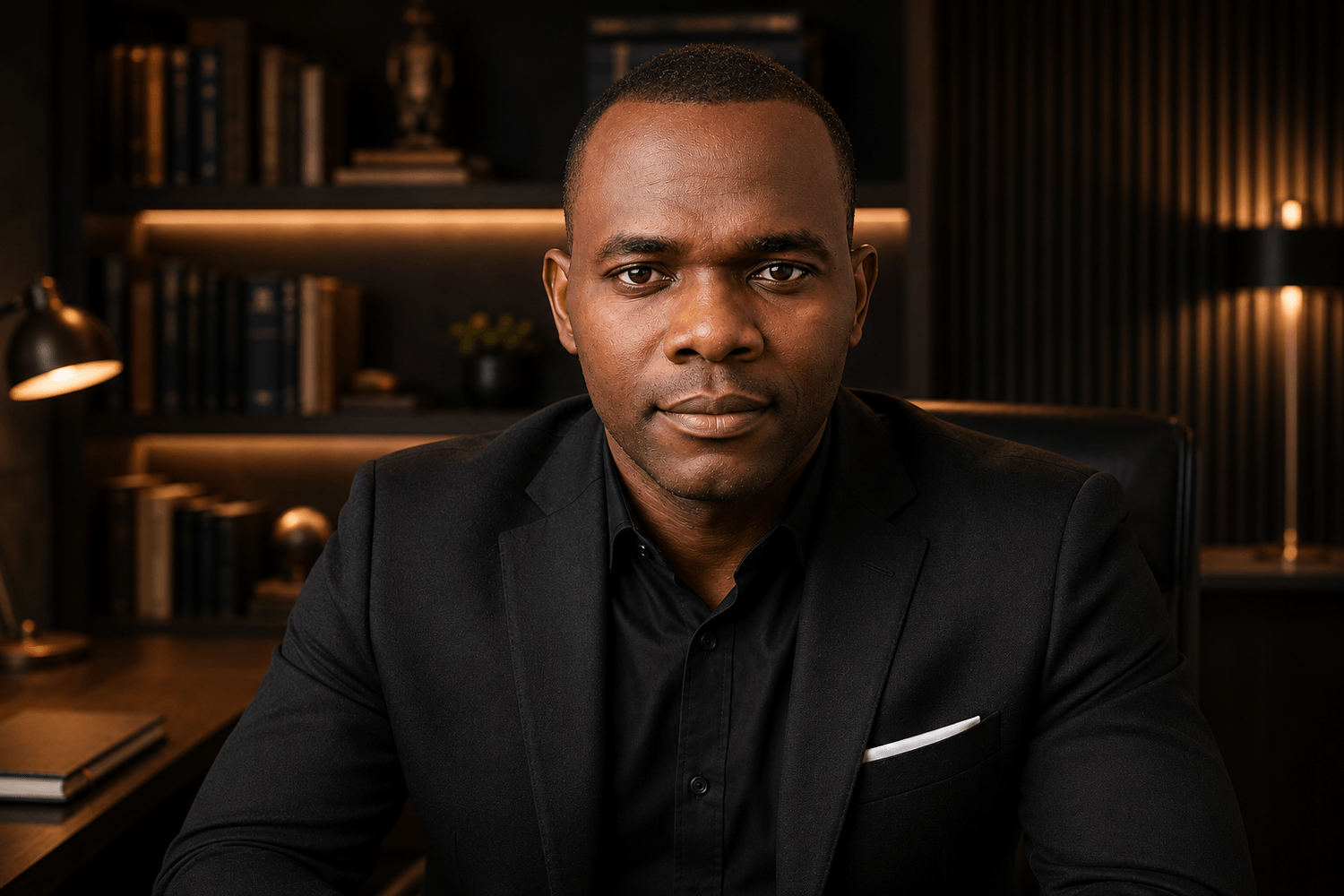
Nelson Ani
Founder, The Ascension Path | Power Within Academy. Nelson Ani explores sexual transmutation, self-mastery, discipline, attention, energy cultivation and the deliberate direction of human drive.